¶ FINANCIAL FORECAST
¶ 9.1 Revenue
The MPA has currently narrow revenue base comprising of mainly ground rent for licensed tree planting activities and other minor sales of forest products and fines. In order to enhance revenue mobilization NFA management will annually prepare clear revenue targets for the MPA and implement reward and sanction system for revenue performance.
The MPA has limited area for licensed tree planting therefore the focus for increased revenue will be the development of non- consumptive uses (payments for ecosystem services) of the natural forests. NFA management will issue licenses for the revenue sources of ecotourism and Research especially in Matiri and Kitechura CFRs. However, investment in seedling production for sale to the general public can generate substantial revenue.
NFA management shall establish tree nursery in Rwensambya CFR for producing seedlings for restoration planting and sale to the public (Prescription 59).
NFA management shall in partnership with REDD+ Secretariat develop mechanisms for accessing carbon market through REDD+ programme which should be operational during this plan period (Prescription 60).
The total projected revenue for the plan period is UGX 6.6 billion, Table 16 from revenue sources shown in table 15.
¶ 9.2 Expenditure
The expenditure for the MPA exceeds the revenue collected implying that the sector is subsidized by funds from other sources. Under this FMP there will be increased activities, raising the MPA annual expenditure.
The MPA management shall prioritize the limited expenditure on key activities that improve the management and protection of CFRs (Prescription 61)
Funding Proposals (Projects) will be developed to raise additional funds to balance the expenditure budget especially in areas of forest restoration, ecotourism development, boundary demarcation and management infrastructure and logistics.
NFA management shall lobby for funding from development partners, conservation NGOs to support projects that improve forest management (Prescription 62).
In addition, the MPA management will work in partnership with the districts, NGOs and private sector to create synergies that reduce expenditure on activities.
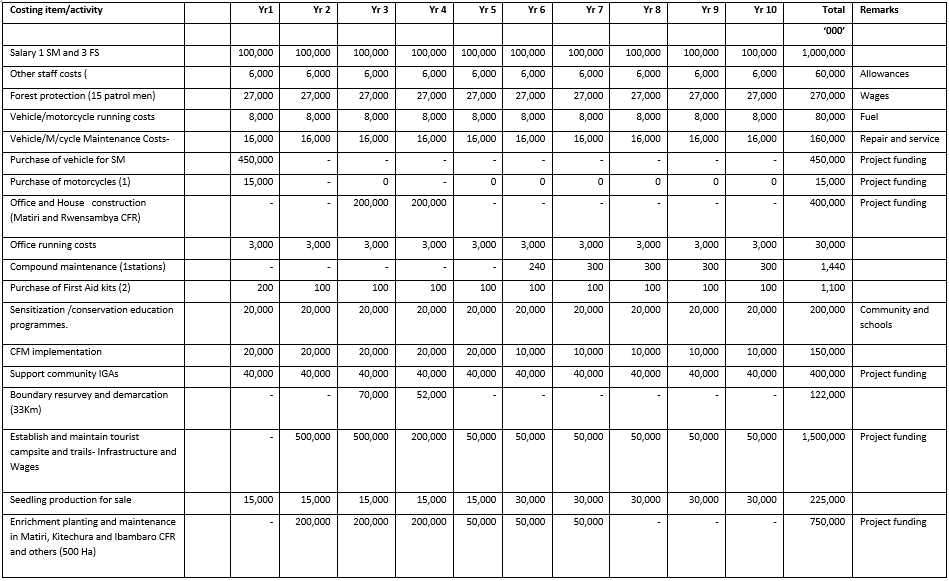
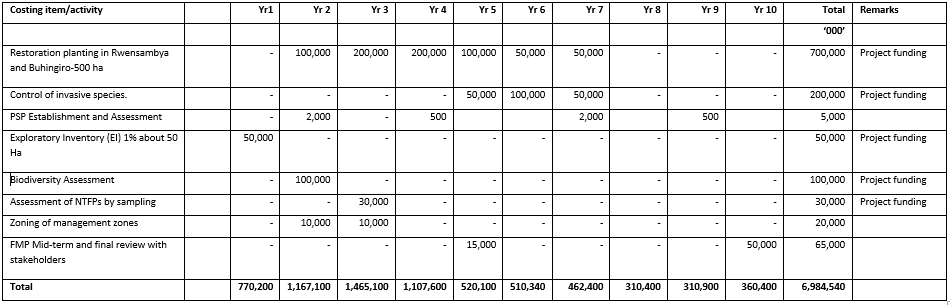
The total estimated expenditure for the plan period is UGX 6.9 billion, Table 17, and shows the projected annualized expenditure based on the key prescriptions for this FMP period.
Table 15: Products and Services from Matiri MPA
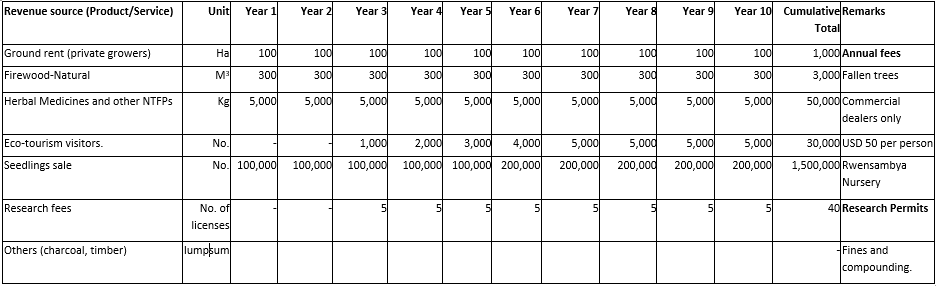
Table 16: Annual revenue from Matiri MPA (UGX, 000)
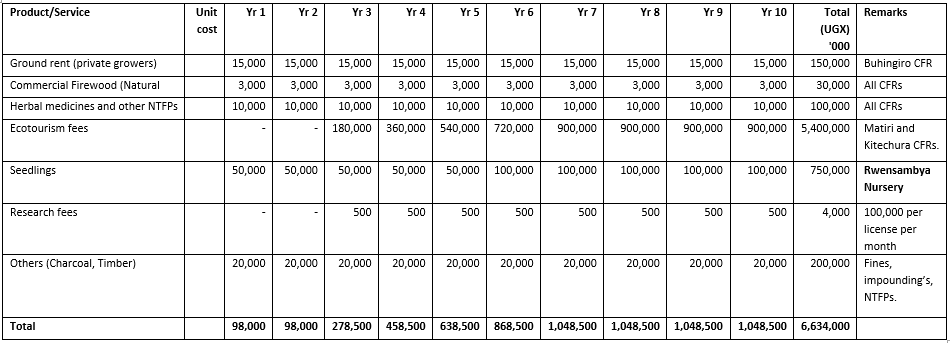
Table 17: Projected Annual Expenditures in the Matiri MPA (‘000)
¶ 9.3 Indirect revenue ─ Ecosystem services
The various ecosystem services that are provided by the CFRs within the MPA include carbon sequestration, soil & hydrological values, water regulation, water supply, erosion and flood control & soil retention (steep slopes) and soil conservation. The Carbon dioxide sequestered is obtained from the annual carbon increments (derived from MWE-FREL 2018 values) of 4tons / ha for THF well stocked; 2 tons for THF degraded, Woodland 1.0 tons/ha and plantations Broadleaved 10 tons/ha and coniferous 8 tons /ha.
This is multiplied by factor of 3.667 to obtain the tons of CO2 sequestered per hectare and multiplied by the CFR area with the respective land cover type. The market carbon trade value adopted here is USD 40 (UGX 144,000=). The UN-REDD study on Forestry and macro-economic accounts of Uganda, 2018 emphasized the importance of linking Ecosystem services to macroeconomics. The report provided annual values of timber (UGX1, 315,892/ha) NTFPs (UGX 149,000/ha), Carbon loss (UGX 513,000/ha) wildlife habitat (UGX 710,000/ha) and water regulation (UGX 13,000/ha)
The soil erosion value is derived from the studies entitled Soil Erosion Risk in Uganda (Fidel Karamage, Chi Zhang and Andrew Magambe, 2017 which provides an average of 3.2 tons of soil /ha /yr which is used to calculate the tons of soil loss averted and the cost of the soil.
The values of Pharmaceutical and pollination potential as option values are estimated based on values used internationally and therefore only indicative requiring more national studies. The values of water regulation, flood control and hydrological services require more site studies due to their landscape nature. There is need however to refine the data collection methodologies and obtain more accurate data on these services to guide the valuation process.
The monetary values of the ecosystem services are not recognized in the national accounts but the physical contribution is known and understood. NFA management in partnership with NEMA should lobby MOFPED and UBOS to have the environmental values recognized as monetary contribution to the National economy which can raise the profile of forests. The values for these ecosystem services are shown in Appendix 4 for Total Economic Valuation (TEV).
¶ 9.4 Opportunities for Project Implementation
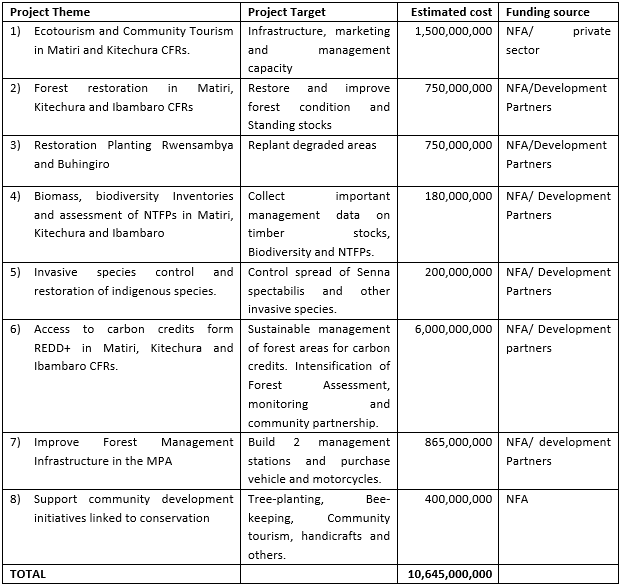
In order to raise sufficient funds for implementation of this FMP; NFA will develop bankable projects for existing opportunities in Ecotourism, forest restoration, inventories, partnerships and PES (Carbon trade) as proposed in the Table 18 below:
Table 18: Proposed projects